




-

Hunger Quiz
When you take one of these quizzes,
Hunger Notes makes a small donation
to anti-hunger organizations -

Learn More
Help fight world hunger by understanding its
importance, its causes, and what can be
done to reduce it -

Take Action
Influence public policy to support poor people,
contribute financially to reducing hunger and
poverty, work directly with poor people
RESOURCE SPOTLIGHT
NEW! HUNGER IN AMERICA


Hunger in the News
Stay updated with the latest news and insights to fight hunger.Most Recent
Nutrition
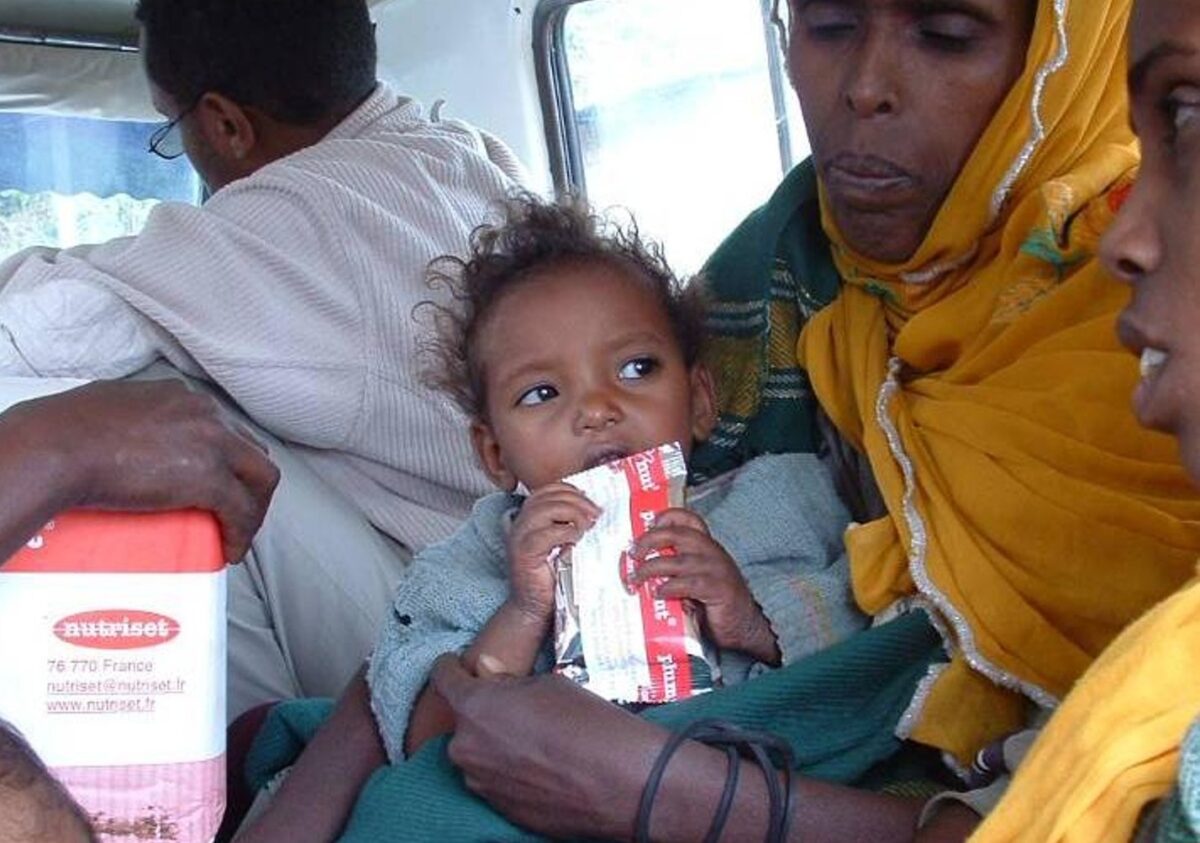
Specialty Foods for Malnourished Children (Plumpy'Nut and RUTF)
August 2, 2026 At the 2025 roundtable about America's comparative advantages for solving hunger, food insecurity and nutrition overseas, organized by World Hunger Education Service with other sponsors, participants agreed that America ...
Food Aid
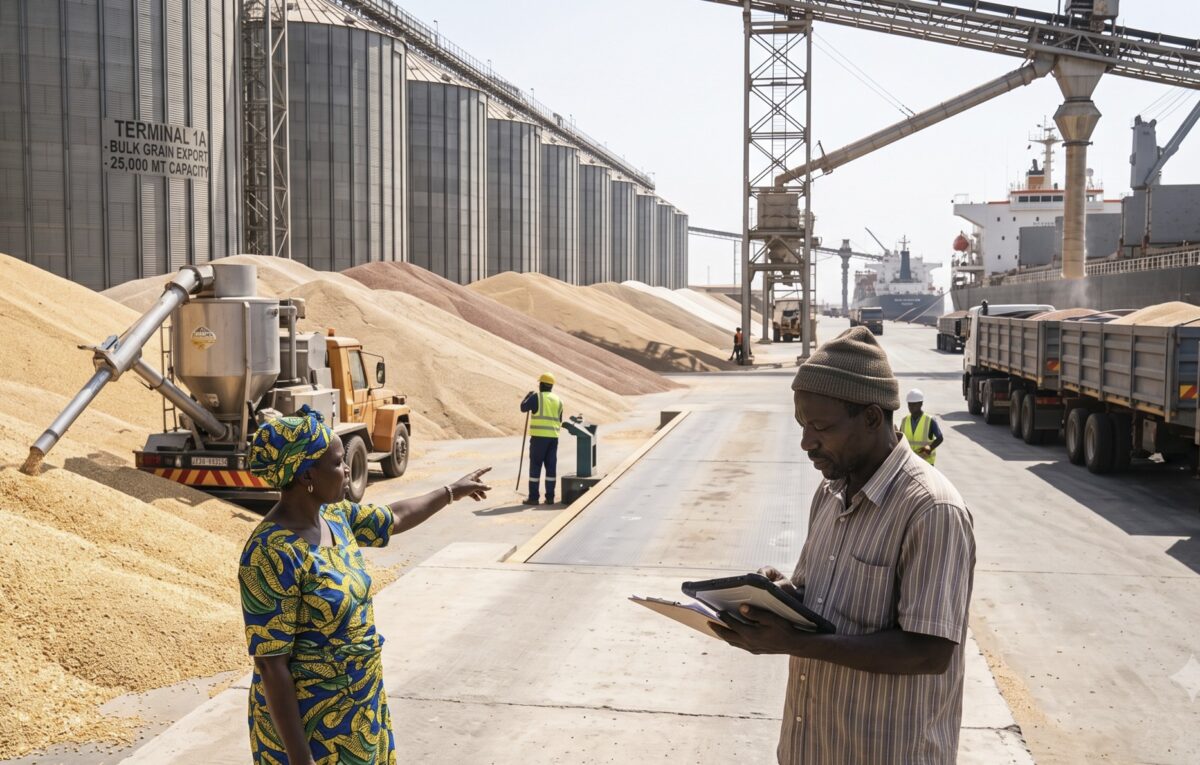
U.S. Food Aid (Part 10): To Monetize or Not to Monetize? A Review of Food Aid Monetization
July 30, 2026 by Mara Russell Title II monetization has been highly controversial throughout its existence. Going back to the beginning of Public Law 480 in 1956, food aid was provided through a government-to-government program known as ...
Opinions
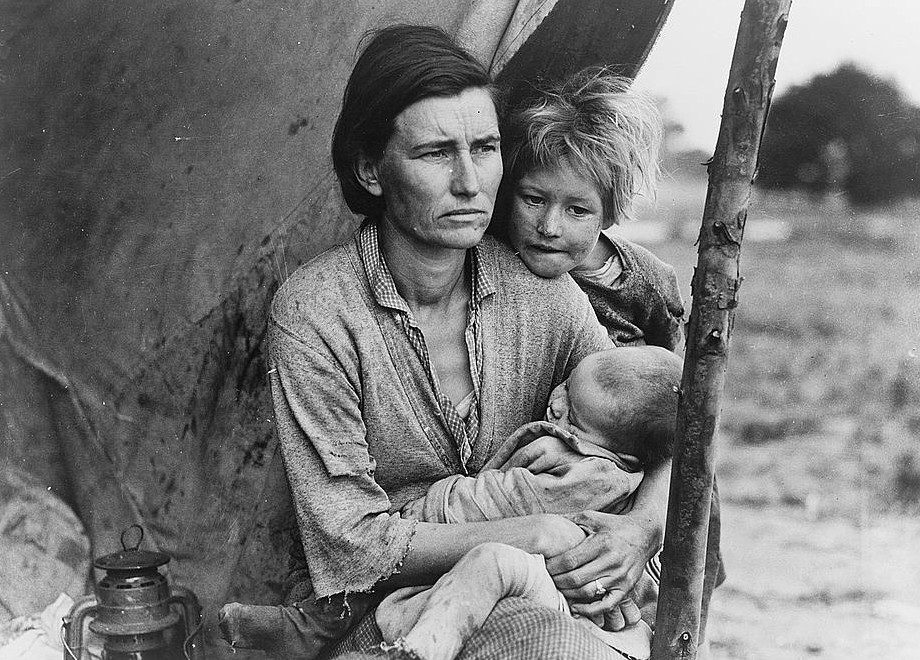
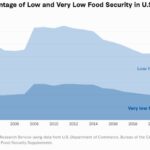
Hungry in a Prosperous Nation, America
July 28, 2026 By Nadira Kabir The United States is one of the wealthiest nations in history, a global agricultural powerhouse that produces enough food to feed millions beyond its borders. Yet beneath this abundance lies a growi...
Middle East
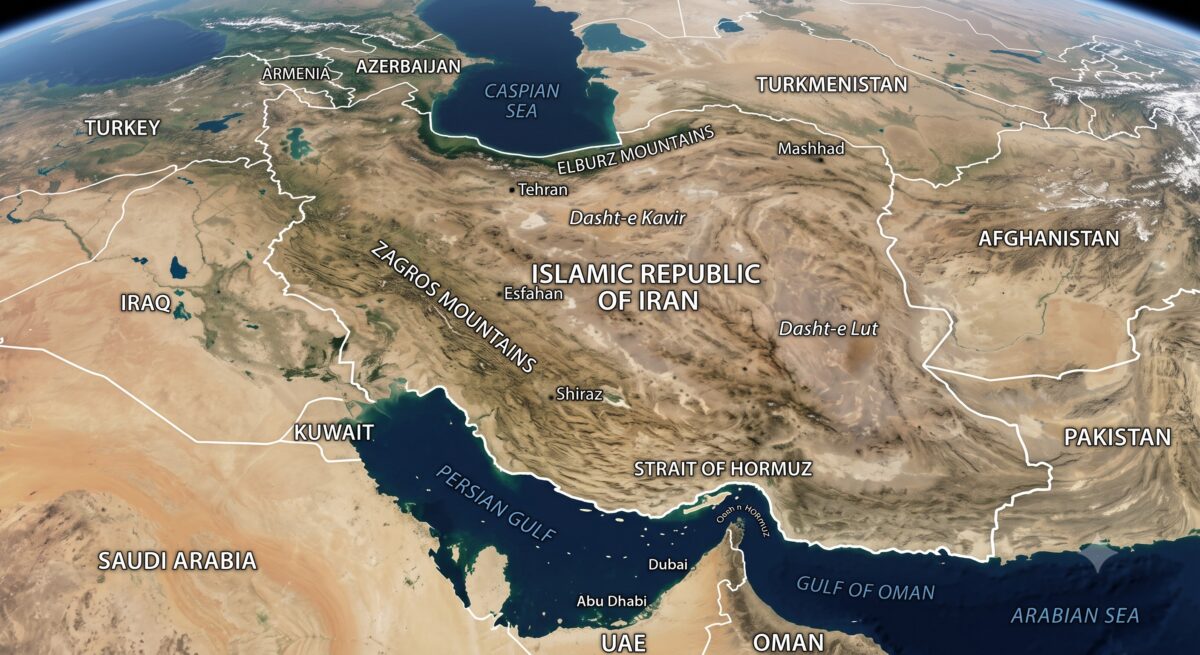
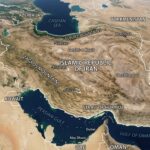
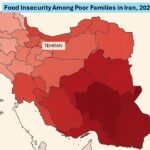
Update about Hunger & War in Iran
July 26, 2026 By Stephen Sellers What began as a single day of strikes on February 28, 2026 has become one of the longest and costliest U.S. military engagements in decades, and the humanitarian toll on Iran's youngest children has dee...

Uncategorized
U.S. Food Aid (Part 9): Critiques of Recent Development Food Aid (RFSAs)
July 24, 2026 Since 2019, U.S. Food for Peace spent between $1.8 and $2 billion in development programs called RFSAs, for Resilience Food Security Activities. RFSAs were more than simple food distribution; they combined food or cash transfer...
Food Aid
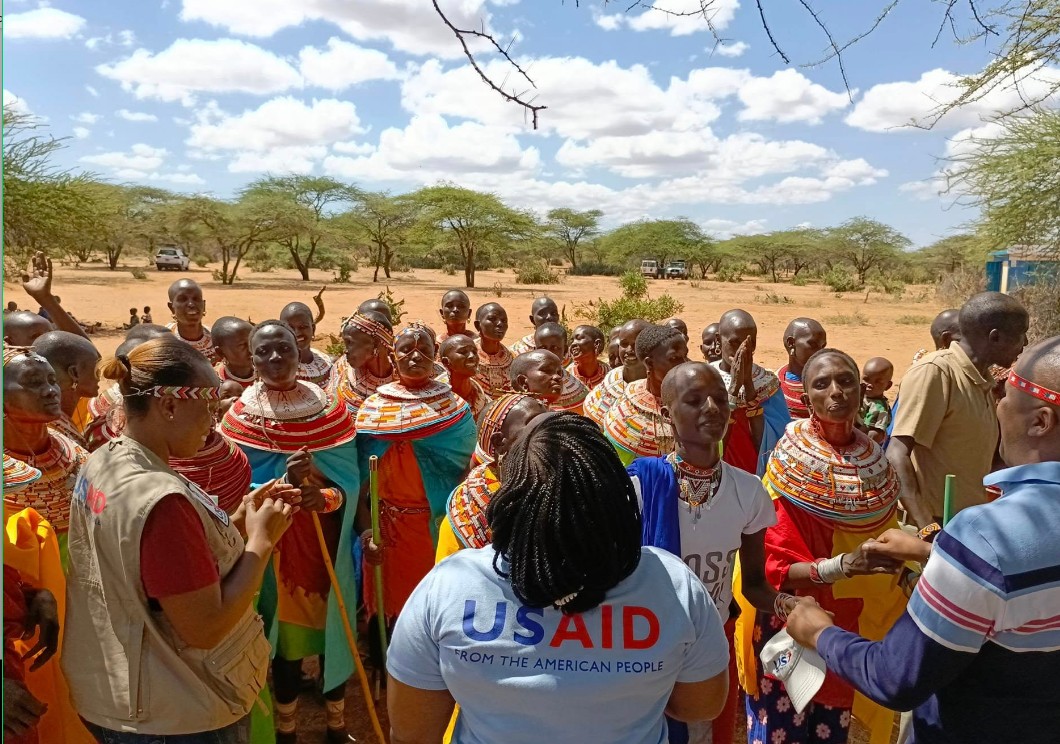
U.S. Food Aid (Part 8): Nawiri in Arid Lands of Kenya
July 24, 2026 This is the eighth Hunger Notes article about Food for Peace programs to help inform the public and USDA about lessons learned during past decades about the design and evolution of US food aid, intended to inform USDA which has...

Food Aid
U.S. Food Aid (Part 7): Lessons of Exit & Sustainability
July 21, 2026 This is the seventh part of a Hunger Notes series that review of lessons of U.S. food aid. The ultimate goal of aid agencies’ food aid projects is to solve hunger problems in a lasting way. Rarely, however, are aid a...

Food Aid
U.S. Food Aid (Part 6): A Timeline of U.S. Food Aid
July 20, 2026 This is the sixth posting in an effort to inform the public and USDA about Food For Peace lessons and directions. Below is a timeline of selected milestones in the history of U.S. food aid sent overseas. World Hunger Educatio...
Food Aid
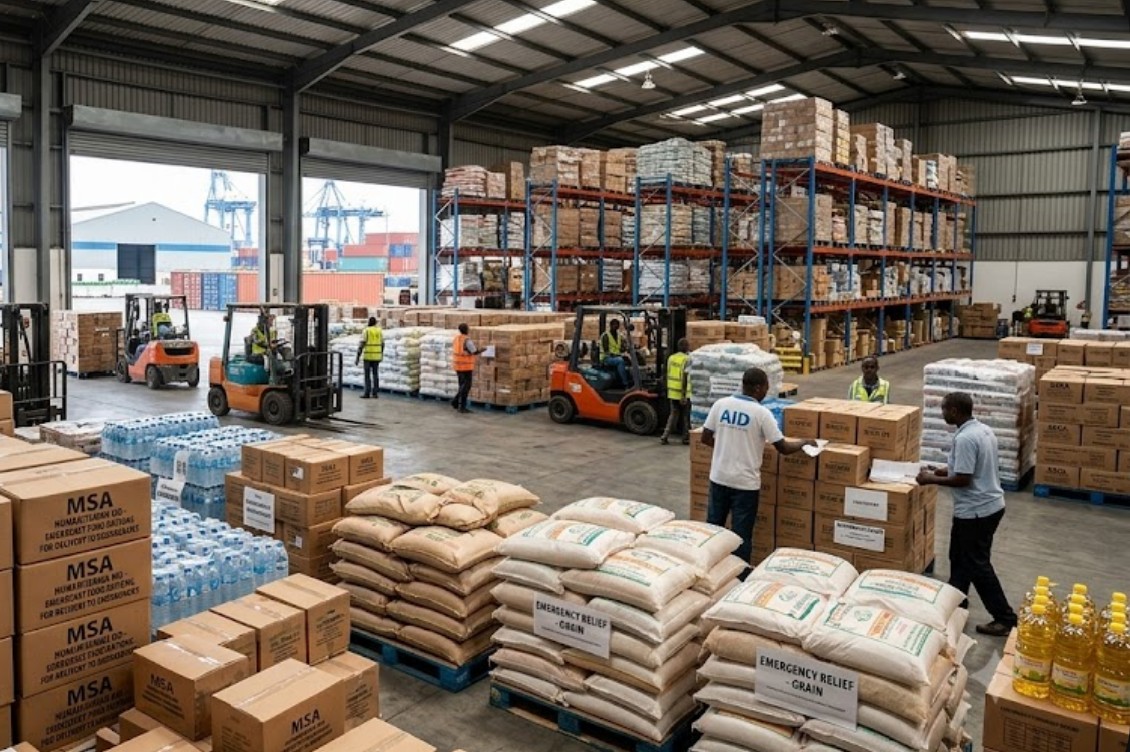
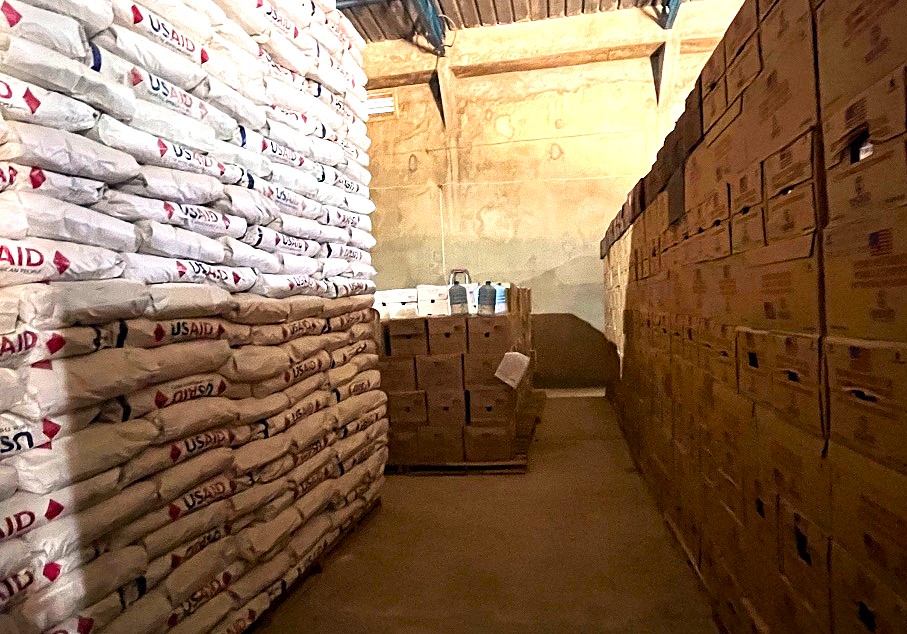
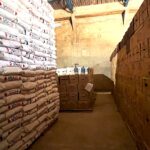
U.S. Food Aid (Part 5): Prepositioning Food Stores Overseas
July 19, 2026 This is the fifth article in a series about lessons about U.S. Food for Peace and food aid, recognizing...
Food Aid
U.S. Food Aid (Part 4): GACAP, Monetization, and Food Aid Management
July 18, 2026 This is the fourth in a series of articles about U.S. Food for Peace to inform the public and USDA about lessons of food aid. For some time, U.S. NGOs or Private Voluntary Organizations ("PVOs") came together to create a...

Food Aid
U.S. Food Aid (Part 3): Lessons from Tufts University's "Food Aid Quality Review",
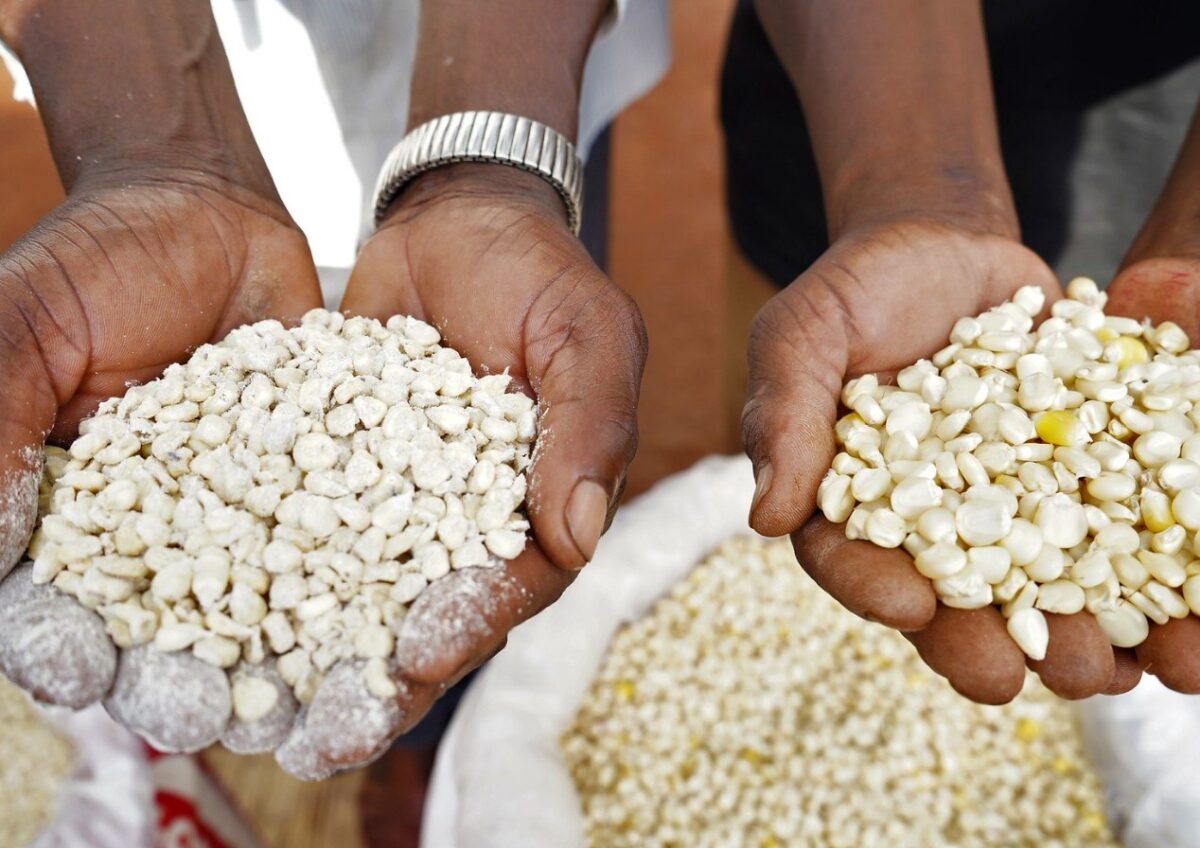
July 17, 2026 This is the third in a series of briefs about U.S. Food Aid, recognizing the shift of programming to the U.S. Department of Agriculture. Every year, for over a half century, the United States has shipped more than a mill...
Food Aid
U.S. Food Aid (Part 2): FAFSA - "Food Aid & Food Security Assessments"
July 13, 2026 This is the second of a series of Hunger Notes articles about the re-design of the U.S. Food for Peace (FFP) program,that is now in process at the U.S. Department of Agriculture, which just released a...
Food Aid
U.S. Food Aid (Part 1): Reflections about Food Aid by Long-Term Practitioner
July 7, 2026 by Mara Russell This is the first in a series of articles by Hunger Notes about the U.S. Food for Peace (FFP) Program. "Food for Peace Title II Non-Emergency Pr...

In Memoriam
Remembering Pat Kutzner, Founder of Hunger Notes
July 5, 2026 This publication, Hunger Notes, is produced by World Hunger Education Service (an independent, volunteer, non-profit) and both were created a half century ago by the force of will of Patricia (Pa...
Africa
Nigeria's Ongoing Nutrition Crises
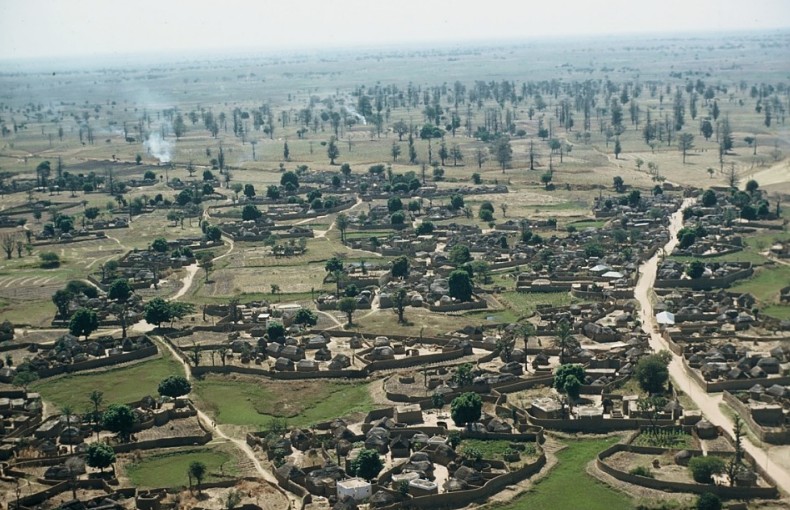
July 4, 2026 In Nigeria, some 35 million people are projected to experience acute and severe food insecurity during the 2026 lean season, according to the most recent Cadre Harmonisé, representing the worst levels of hunger recorded in a decade...

Food Systems
Water Insecurity and Malnutrition: An Overlooked Connection
June 24, 2026 by Kirsten Roe Often, when people think of hunger or food insecurity, they may think about food availability (e.g., sufficient food), access (e.g., able to af...
Africa
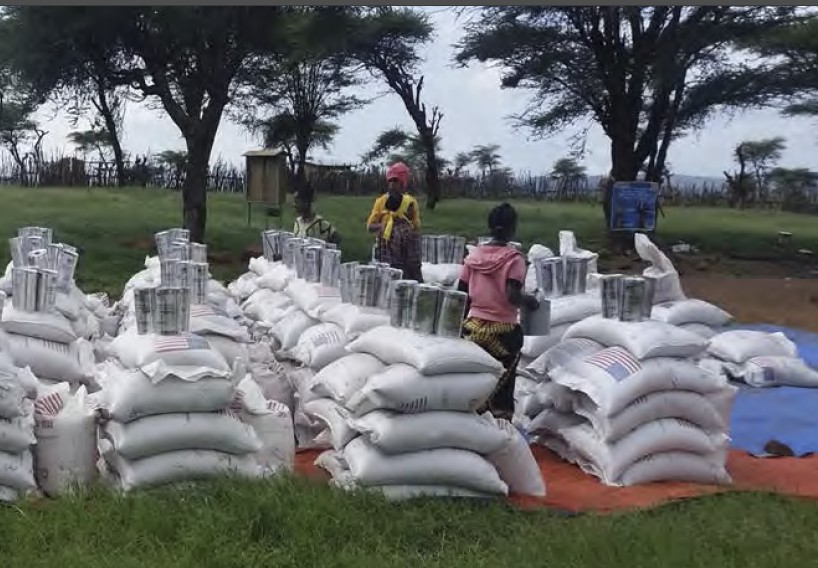
Ethiopia's Decades-Long Malnutrition Crises
June 16,2026 In Ethiopia, Africa’s second-most populous country, roughly one in eight Ethiopians suffer food shortages in mid-2026 in many region-specific overlapping crises caused by fighting, drought, population displacements, refugees, s...
Africa
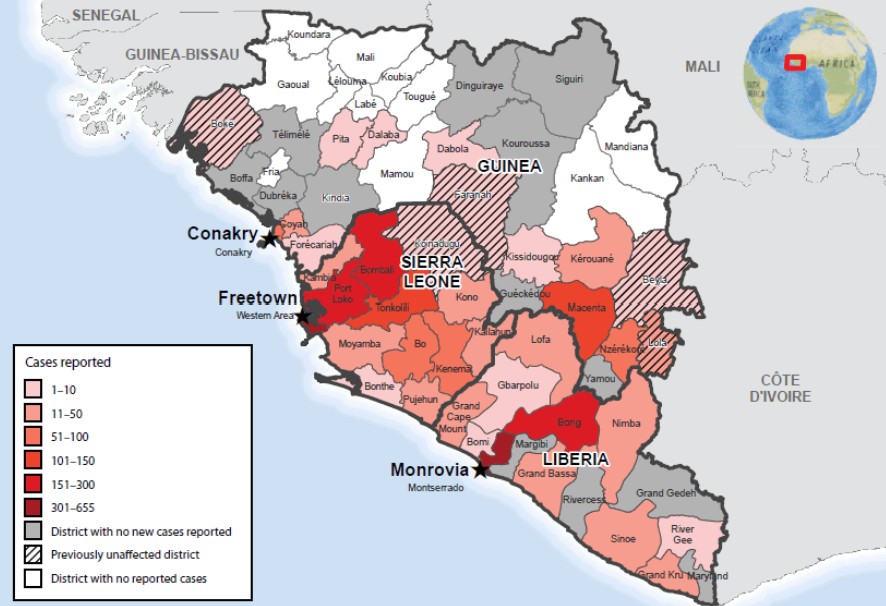
Ebola Control Lessons from Past Outbreaks
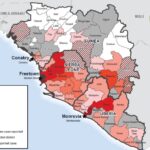
June 18, 2026 Food insecurity the Democratic Republic of Congo (DRC) has formed a vicious circle this year with the latest Ebola virus outbreak, now the 17th recorded and the largest to date in terms of people infected. The Adventist Developm...
Conflict and Famine
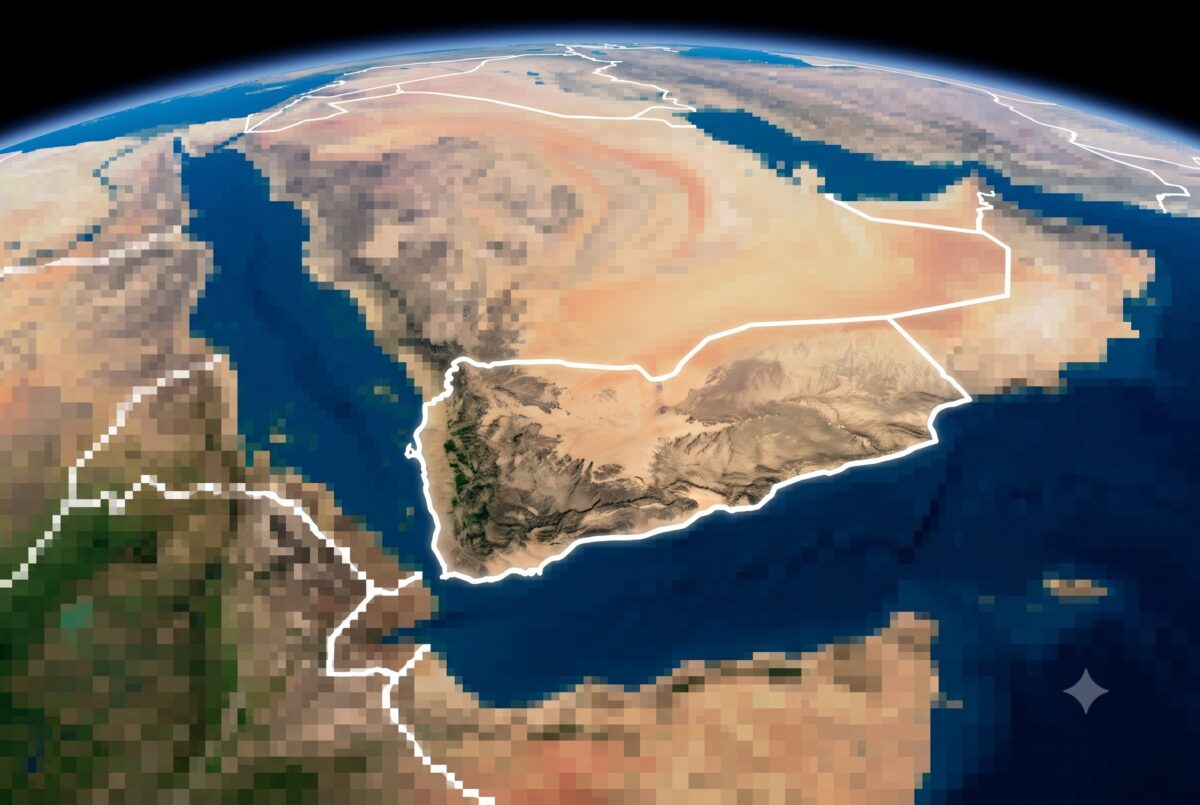
Most of Yemen is Now Hungry, UN Declares
June 17, 2026 Yesterday, the UN was advised that the extent of food insecurity in Yemen had ratcheted up further: "The hunger crisis in Yemen is worsening sharply, with the share of people unable to meet basic food needs rising from about ...

Africa
Kenya’s Arid Lands Face Persistent Hunger Crisis in 2026
June 14, 2026 Kenya continues to face severe hunger and malnutrition in its arid and semi‑arid lands (ASAL), where drought, high food prices, and weakened pastoralist livelihoods have pushed millions into crisis. According to the U.S. Famine...
Conflict and Famine
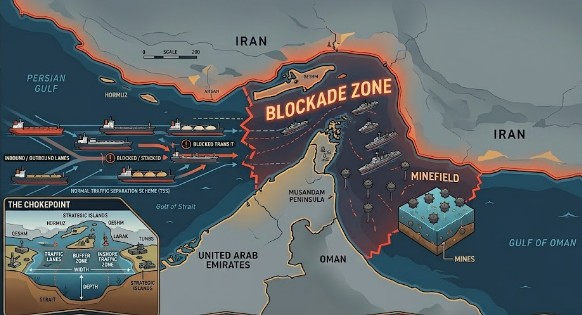
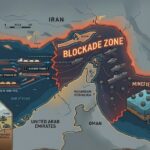
Strait of Hormuz Fertilizer Disruptions and Increases of Malnutrition Risk Worldwide
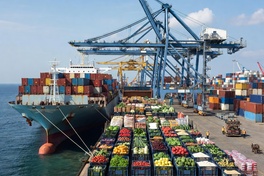
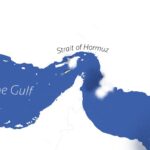
June 4, 2026 News Analysis by Rohma Akhtar The Middle East war continues to disrupt ship traffic through the Strait of Hormuz affecting shipments of urea, sulfur and phosphates for fertilizer. As predicted, aid agencies are reporti...
Interviews
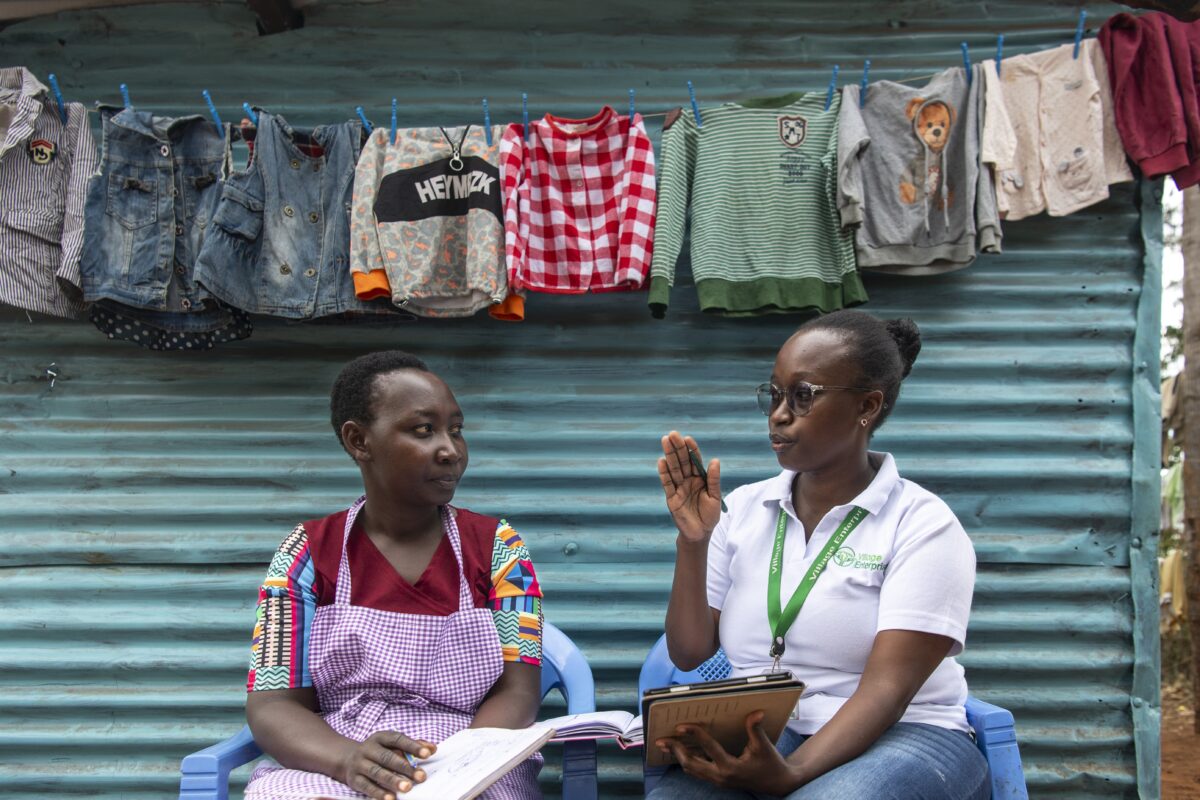
Village Enterprise, a Nonprofit, Champions the "Graduation Model" to End Hunger
May 8, 2026 In the mid 2000s, the Bangladesh Rural Advancement Committee (BRAC) pioneered a new approach for helping the very poor to grow out of poverty phase by p...

Interviews
Interview: Edesia's Maria Kasparian & Specialty Nutrition Foods
April 20, 2026 The WHES board met with and interviewed Maria Kasparian, expert about Plumpy’Nut which has become one of the most recognizable tools in the fight against severe acut...
Asia
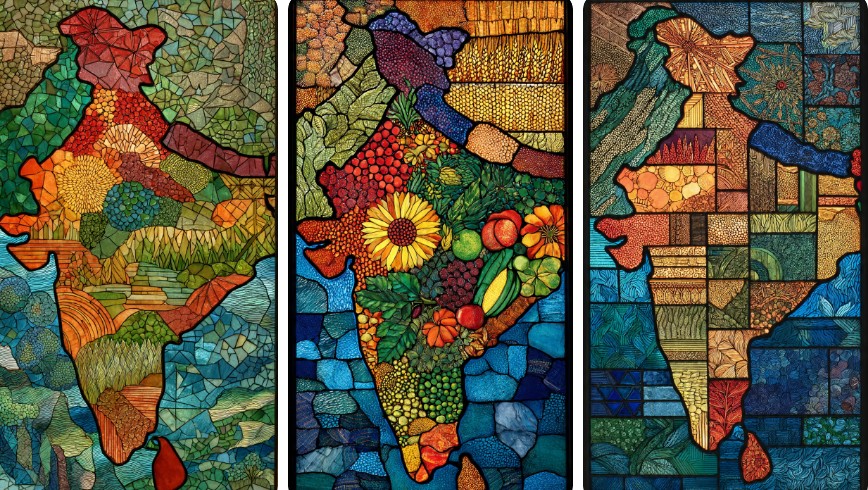
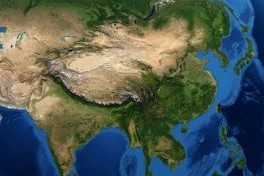
India's Conquest of Famine
April 19, 2026 In the weeks since Paul Ehrlich's passing away, there have been many articles about the change that have occurred since his publication of the Population Bo...
Events & Conferences









Interviews

-

-

Village Enterprise, a Nonprofit, Champions the “Graduation Model” to End Hunger
-

Interview: Edesia’s Maria Kasparian & Specialty Nutrition Foods
-

Interview with Dominic MacSorley, Former CEO of Concern Worldwide
-

Peter Morris, Nutritionist and Long-term USAID Expert Leads WHES
-

Pandemics and Hunger: Part 2 of Our Interview with Dr. Ron Waldman






Conflict and Famine
Refugees






Nutrition










Global





Food Systems






In Memoriam






On Resilience

-
-
-

-
-

Food Insecurity Impairs Resilience and Elevates Distress in Young Adults
by Kathy Goss, WHES Board Trustee -

Opinions









Recommended Organizations & Resources


-
 World Hunger Education
Service
P.O. Box 29015
Washington, D.C. 20017 -